COACHING
AUTISTIC PEOPLE THROUGH SPORT
CAPS (Coaching Autistic People through Sport) changes how sport, education, and organisations work, so autistic people can take part and experience meaningful inclusion.
Autistic people are still missing out on sport and physical activity.
Not because they don’t want to take part.
But because:
- What is expected isn’t always clear
- Communication doesn’t align
- Behaviour is often misinterpreted
- Participation is defined too narrowly
So what happens?
People:
- Opt out
- Are excluded
- Or never start
This isn’t about changing the person.
It’s about moving beyond a deficit-based
understanding of autism.
For a long time, autism has been perceived negatively:
- Problems to fix
- Behaviours to manage
That framing shapes everything:
- How people are spoken to
- How behaviour is judged
- What participation is expected to look like
- How we respond

But autism is not a deficit, it is a difference.
When that difference is misunderstood:
- Communication breaks down
- Expectations don’t fit
- Barriers are created

Creating better experiences for everyone involved
CAPS works with teachers, coaches, lecturers, and anyone delivering sport or physical activity with autistic people. Grounded in the SPELL Framework, it provides practical strategies that shape what happens before a session even begins. People arrive relaxed and prepared, with the bandwidth to take part, engage, and enjoy the experience alongside their peers.
By developing skills in session design, communication, and delivery, CAPS removes the need for guesswork and reduces pressure on those leading sessions. Approaches become more consistent. Relationships become stronger. Sport becomes a place where everyone belongs, where everyone feels accepted, connected, and able to take part, with a positive impact that carries beyond the session itself.

The course was co-designed by our two directors, with input from the autistic community.
The CAPS course is run by members of the neurodivergent community.
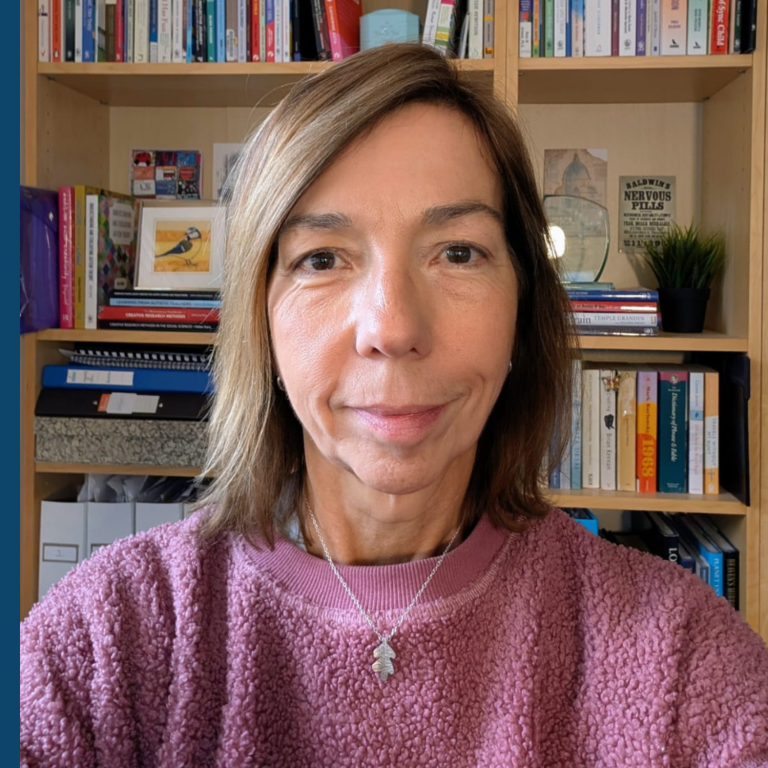
Dr Ruth Moyse
Director
Ruth is a teacher by profession and has over 20 years experience in education, plus is a specialist in understanding autistic absenteeism and supporting wellbeing.
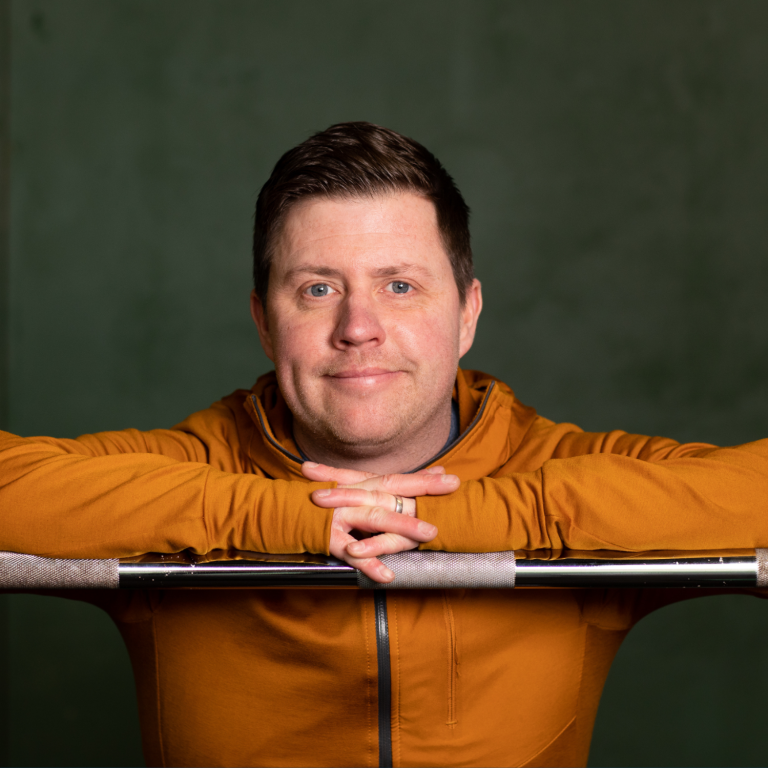
James Dewar-Haggart FCIMSPA
Director
James is a expert in sports coaching, specialing in SEND and the neurodivergent community.
CAPS is the first nationally accredited course of its kind through CIMSPA, the UK’s professional body for sport and physical activity.

Get in touch
If you’d like to find out more about CAPS or explore how this could work in your setting, please get in touch. We look forward to hearing from you.
Office hours
Monday – Friday
9am – 5pm